

The Advantages of Wood Stove Burning
Wood stoves are an ideal heat source for those who want to keep their home warm and cozy. But, there are a few things to consider before you start an fire.
All wood stoves require a constant air flow to generate combustion and heat. This is controlled by adjustable dampers in the door of the stove and in the flue pipe which leads to the chimney.
www.fireplacesandstove.com provide heat to your home through convection, not central heating that is pumped through ductwork to be distributed throughout the house. They also offer radiant heat, but this can be colder than a convection heater since the heat is stored by a solid object rather than dissipated into the air. A wood stove is a firewood burner to create radiant warmth that can bring lots of warmth to a room in a relatively short period of time.
The kind of wood you choose to use and the way it's seasoned will affect how your stove performs. Hard woods such as hazel, birch, oak, and hazelnut are slower to burn, yet they produce long-lasting, consistent heat. They are a good choice for heating your home since they have a high energy density. Soft woods like spruce or fir have lower energy density. This means that they burn more quickly and generate more emissions.
A majority of modern wood-burning stoves come with turn dampers installed in the inside of the pipe that leads to the chimney. The dampers are rotatable and can be adjusted to slow down or speed up the departure of combustion gasses from the stove, thereby controlling how much heat is retained within your home.
It is important to know that a wood-burning stove needs more maintenance than other heating methods. Before you can start burning the wood, you'll need to cut it up then split it, and stack it. You'll have to replenish your stove when it is running out of fuel, and you'll be required to clean the ash regularly. Also, you must make sure that the stove is able to draw enough air to be able to burn.
In accordance with the zoning regulations in your area, as well as how you maintain your stove, you might also have to tackle smoke pollution. Numerous towns use zoning to regulate outdoor burning, and limit visible smoke from the stove, as well as soot and odor. The Department of Environmental Protection (MassDEP) additionally has rules that regulate the use of outdoor fires and limit the amount of opacity.
Aesthetics
A wood stove adds an appealing aesthetic to your home. The warm glow of the flames licking at dried logs gives a feeling warmth and comfort. They are a welcome addition to any room of the house and look stunning with rustic and vintage decor. They are a great option for power outages since they offer radiant heating.
They can also be an excellent option to save money and reduce carbon emissions. The use of locally-sourced and seasoned firewood in a modern wood stove can save you money on heating oil. Furthermore, using timber for burning helps promote the active management of forests which benefits wildlife and local communities.
When you are choosing a wood burning stove, consider its energy efficiency. Modern wood stoves should be able to reach over 80 percent efficiency. This means they burn more efficiently and produce less smoke. Look for a design with secondary, heat-retaining glazing and advanced combustion systems like catalytic or non-catalytic. It is crucial to keep an appropriate distance between the stove and any combustible object like curtains or furniture.
You should also check the technology used to make combustion by the manufacturer to ensure it is safe and effective. Some stoves can be installed in existing fireplaces, whereas others are freestanding units that can be moved as needed. No matter what kind of stove is chosen, it's important to ensure it comes with the required safety features. This includes the shut-off system and venting system that prevents combustible gas from entering your home.
The Scan 83-2 wood burner by Danish brand Scan seamlessly blends into any décor. Its minimalist design, elegantly rounded silhouette, and a lack of unnecessary details create a simple yet sophisticated look. This contemporary wood-burning stove comes with an aluminum handle and moldings, soft-close doors, and a curved panel to provide a clear view of the flames. It is available in black or gray, and is suitable for indoor and outdoor use. It is available in a variety of sizes to fit into different spaces and rooms, such as large living rooms as well as contemporary patios.
Cosy atmosphere
Wood stove burning has a cozy atmosphere that can be much warmer than forced air heating. Besides the warmth from the fire itself, there is also radiant heat from the metal body of the stove that warms the room. In addition, the smell of burned wood is pleasing to most people. This atmosphere is a major reason why many prefer to use a wood stove instead of central heating.
To ensure the proper combustion wood heat requires a amount of care. A lot of modern wood stoves come with automatic control systems that can monitor the flame and adjust the amount of air needed to prevent incomplete combustion that produces smoke. However, the user (that's you) still has a major influence on how well the stove is performing. You can decrease the amount of combustion by closing the vents for air too tightly. This will not only reduce the effectiveness of the stove, but can also increase the emissions of volatile compounds.
It is essential to ensure that air vents are as wide as possible before starting a fire in order to ensure that the flame has sufficient oxygen. This will stop the formation of the tar or other residues that can form on the heat exchange surfaces. It is also recommended to use an ash shovel for stoves or a broom to sweep out the ashes after each fire to keep the grate and firebox clean.
Add the wood slowly, and avoid closing the vents too quickly. This could create a vortex which will pull the unburned smoke and volatile compounds into the firebox. This can reduce the combustion efficiency and result in the fire burning less wood, which reduces the heat output of the stove.
Using a blow pipe to blow air into the flame is another way to improve combustion and help spread it evenly. It is important to remember that blow pipes are danger if they're not used in a safe manner. They can create fires that are difficult to control if used too close to flames. This kind of equipment should be left to professionals and those with experience.
Economic
The burning and buying of wood is an environmentally friendly alternative to fossil fuels. It is a renewable resource and therefore carbon-neutral. Wood stoves are usually constructed with a back boiler, which means that the waste gases can be used to heat water in your home, thereby reducing energy bills.
Stoves are now more efficient in heating your home, with modern stoves boasting high levels of efficiency in combustion and lower emissions. They are also smaller and compact than fireplaces, meaning they are able to project more heat into the space and less heat gets lost to the chimney.
Many manufacturers combine innovative design with innovative engineering to create eco-friendly stoves. This can be done by adding features like the firebox insulation, a massive baffle to create a wider and more hot gas flow path as well as pre-heated combustion air and secondary combustion. This allows the combustion to take place at higher temperatures and helps reduce harmful pollutant emissions.
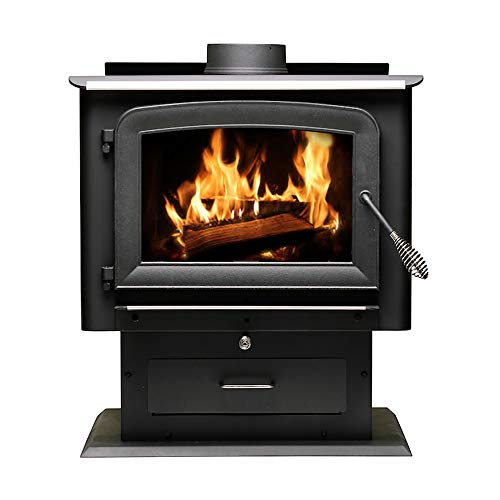
A high-quality wood stove is SIA ecodesign compliant and will have passed rigorous tests to ensure that they generate very low levels pollution. This is crucial because the EPA set high limits on the amount of pollution a new wood burner can emit, and the SIA Ecodesign scheme is the mark of a stove that has met the requirements.
If you have a large enough garden and can collect sustainable, local, and untreated logs then the use of a wood stove is an excellent way to reduce your carbon footprint as well as conserving money on heating. Locally harvested wood supports local woodlands and encourages active land management. This will benefit wildlife.
You can also build your own wood burning stove. This can save you money. This is possible due to the availability of offcuts and reclaimed timber, and a range of DIY kits are available to assist you in building your own. You can pick between non-catalytic or catalytic wood burning stoves. The former is more affordable and easier to use and operate, whereas the latter is costlier but more effective in decreasing emissions.